OUR JOURNEY
The Latinidades Timeline
Each year, a collective crossing of future and memory
This theme proposes a public manifest on the mental health of those who sustain art and culture, placing at the center of the debate artists, producers, technicians, communicators, managers, and cultural workers impacted by precarious labor conditions, excessive bureaucracy, multiple workloads, digital overexposure, and structural inequalities of race and gender. More than discussing burnout and exhaustion, this edition also reflects on what sustains permanence: creation, pleasure, belonging, spirituality, community, rest, and well-being, reaffirming Black ancestries and collective care technologies as pathways for sustaining life, memory, and possible futures.

This theme is more than a celebration: it is a political, poetic, and ancestral affirmation that there is no real transformation without the leadership of Black women. We move the world because we sustain communities, create alternatives in times of crisis, transform scarcity into power and, without romanticizing struggle, act politically toward change through continuous resistance. This theme invites the world to recognize that impact. In a world in crisis, Black women offer pathways forward. We are the crossing itself.
A call to recognize and celebrate the transformative power of Black women. Being a fan of Black women in a racist society is revolutionary.
Inspired by Black and Indigenous cosmologies, this edition reflected on new ethical and civilizational paradigms grounded in sustainability, justice, freedom, care, and the expansion of rights.
A celebration of the festival’s 15th anniversary, the 30th anniversary of the Red de Mujeres Afrolatinoamericanas, Afrocaribeñas y de la Diáspora, and the International Day of Afro-Latin American and Caribbean Women.
After all, what does ascension mean? What is needed to rise? Social and economic mobility? Ancestral connection? Spirituality? Unlocking memories of success and occupying new spaces? Transforming lives? These were some of the guiding questions of this edition.
Held online during the coronavirus pandemic, this edition embraced the boldness of discussing and organizing around much more than survival: reimagining and building futures from different references and worldviews.
This theme emerged as a call to recognize, reclaim, and make visible the history of Black people and their contributions to humanity. At the same time, it denounced projects of racial supremacy that erase these legacies.
This double edition (July and November) promoted an immersion into Afrofuturist aesthetics, narratives, and technologies as ways of reconstructing the past, projecting the future, and resignifying the present through Black epistemologies.
This edition addressed the invisibility of Black women in the media and the importance of more plural narratives and policies. Black communicators were recognized as protagonists in the construction of new social imaginaries.
This edition highlighted the importance of guaranteeing policies for Black women’s film productions and fostered reflections on narratives, aesthetics, and positions of speech within the film industry in Brazil and internationally.
The theme reaffirmed the role of griot masters and elders as pillars of cultural preservation and agents of social transformation in Black communities across Africa and the diaspora.
A reflection on the role of Black art and culture in shaping Afro-Brazilian and Latin American identities, as well as the importance of policies to guarantee access to, appreciation of, and preservation of these cultural heritages.
This edition addressed the impacts of racism on the lives of Black youth, demanding responses to historical demands and public policies. It also highlighted talents and creative power on stage.
Focused on the inequalities faced by Black women in accessing opportunities, leadership positions, and fair wages. The programming highlighted the intersections of race and gender in labor relations and pointed toward pathways for public policy.
Highlighted the importance of self-identification for Black people and the production of race- and gender-disaggregated data for the development of effective policies and the struggle against historical inequalities.
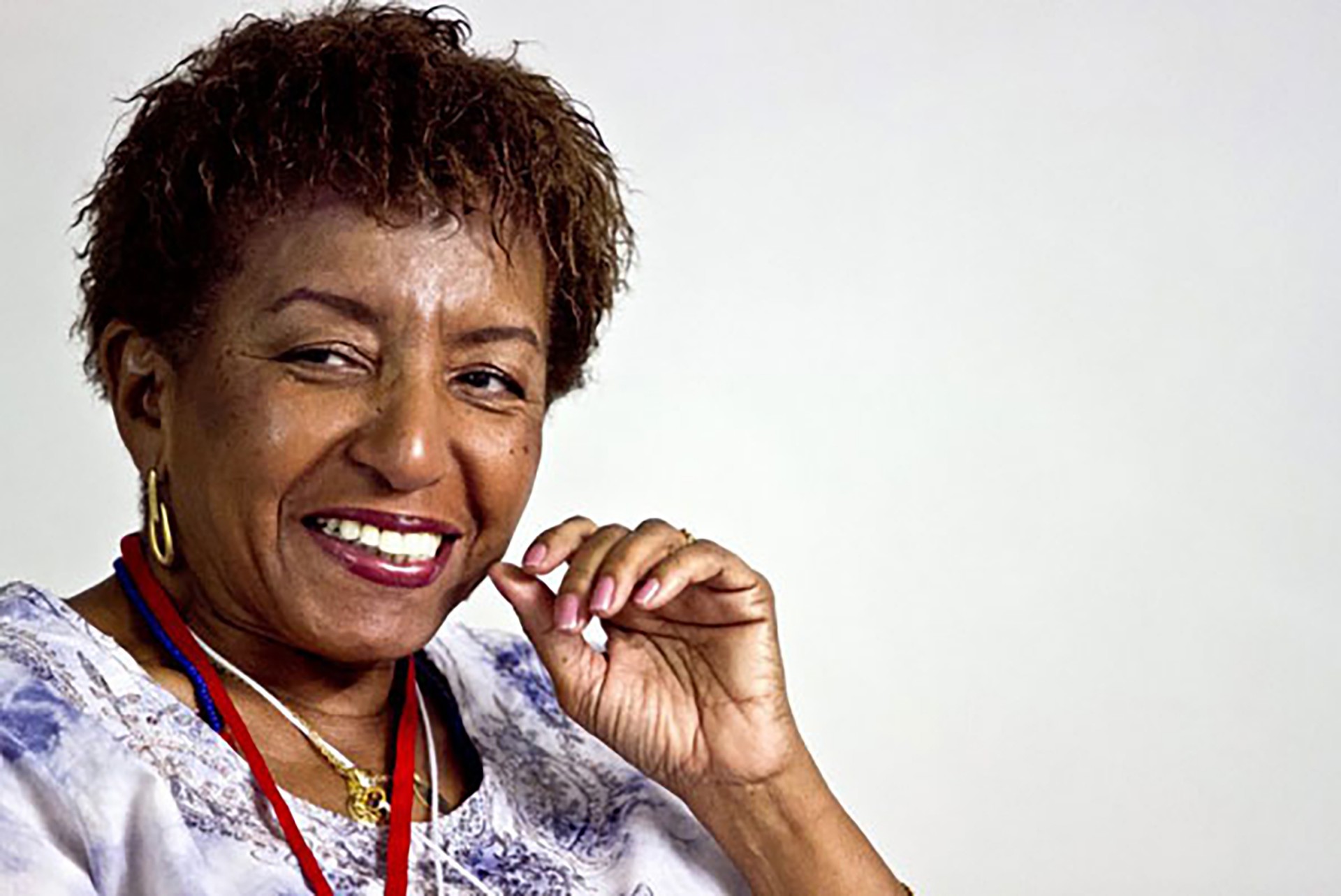
Debated the representation of Black women in the media and the impacts of racism and sexism in reinforcing stereotypes and shaping how their stories are told.
The first edition focused on parties and musical performances.